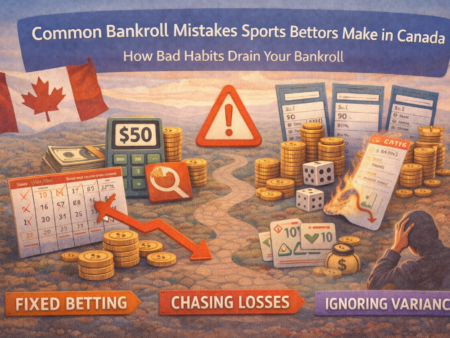
Sports betting strategies are often misunderstood. Many so-called “systems” promise easy profits but ignore the realities of probability, variance, and sportsbook margins. In practice, successful betting is less about tricks and more about discipline, structure, and realistic expectations.
This guide focuses on sports betting strategies that actually make sense – approaches that help players make better decisions rather than chase unrealistic outcomes.
What a Betting Strategy Really Is
A betting strategy is not a guarantee of profit.
Instead, it is:
- a framework for making decisions
- a way to control risk
- a method for staying consistent over time
Good strategies help you avoid emotional betting and unnecessary mistakes.
Strategy 1: Bankroll Management Comes First
The most important strategy in sports betting is bankroll management.
This means:
- setting a fixed betting budget
- keeping stakes consistent
- never betting money you can’t afford to lose
Even the best picks fail sometimes. Bankroll management ensures that losses don’t spiral into bigger problems.
Strategy 2: Focus on Single Bets Over Parlays
Single bets are often more sustainable than complex combinations.
Why single bets make sense:
- easier to evaluate probability
- clearer risk-to-reward balance
- more consistent long-term outcomes
Parlays can be entertaining, but they should not be the foundation of a betting strategy.
Strategy 3: Understand Odds and Probability
Every bet is a probability decision.
Players who understand:
- how odds work
- what implied probability means
- how value is identified
are better equipped to judge whether a bet makes sense. Betting without understanding odds is guessing, not strategy.
Strategy 4: Compare Odds Before Betting
Different sportsbooks may offer different odds on the same event.
Comparing odds:
- improves potential returns
- reduces the sportsbook’s edge
- takes very little extra time
This is one of the simplest ways to improve betting efficiency.
Strategy 5: Bet on Sports You Actually Follow
Betting on unfamiliar sports increases randomness.
It’s generally better to:
- focus on leagues you understand
- follow team news and form
- recognize context beyond headlines
Knowledge doesn’t guarantee wins, but it improves decision quality.
Strategy 6: Avoid Chasing Losses
Chasing losses is one of the fastest ways to turn a bad day into a bad month.
A sensible strategy accepts that:
- losing streaks happen
- no bet “must” win
- taking a break is sometimes the best move
Discipline matters more than confidence.
Strategy 7: Keep Betting Simple
Complex strategies often add confusion without improving results.
In practice:
- fewer bet types are easier to manage
- simple markets are easier to evaluate
- clarity reduces emotional decisions
Simplicity is an underrated advantage.
What These Strategies Do Not Promise
These strategies do not:
- guarantee profits
- eliminate losing bets
- beat sportsbooks overnight
What they do offer is structure, control, and realism, which are essential for responsible betting.
Final Thoughts
Sports betting strategies that actually make sense focus on process over outcome. They help players make smarter decisions, manage risk, and avoid common traps.
Betting should be treated as informed entertainment, not a shortcut to income. With the right mindset and structure, it becomes more controlled and less stressful.
Value Betting Explained
Bankroll Management Explained
Common Beginner Mistakes in Sports Betting
Sports Betting Odds Explained
Sports Betting Calculator