Chasing losses is one of the fastest and most destructive habits in betting and gambling.
It doesn’t matter whether you bet on sports, play casino games, or poker – once you start trying to win money back emotionally, bankroll management collapses.
Most players don’t plan to chase losses. It happens gradually, often without noticing. One bigger bet. One extra session. One risky decision meant to “fix” the situation.
This article explains why chasing losses is so dangerous, how it destroys bankrolls, and how to recognise the warning signs before real damage is done.
What Does “Chasing Losses” Really Mean?
Chasing losses means changing your betting behaviour after losing, with the goal of recovering money as quickly as possible.
Common examples:
- Increasing stake size after a loss
- Adding more bets to recover faster
- Playing riskier games or markets
- Ignoring pre-set limits
- Betting longer than planned
The key issue is not the loss itself – it’s the reaction to the loss.
Why Chasing Losses Feels So Tempting
Losses trigger emotional responses:
- Frustration
- Urgency
- Fear of being “down”
The brain wants balance. It wants to erase the loss and return to even. Betting feels like the quickest solution.
But emotions don’t change:
- Probabilities
- House edge
- Variance
They only change decisions – and usually for the worse.
How Chasing Losses Destroys Bankroll Management
Proper bankroll management relies on:
- Fixed stake sizes
- Controlled risk
- Long-term thinking
Chasing losses breaks all three.
Once you chase:
- Bet sizes increase unpredictably
- Risk exposure explodes
- Decisions become short-term and emotional
At that point, bankroll management no longer exists. You are reacting, not planning.
The Compounding Effect of Bigger Bets
Chasing losses often starts small:
- “Just one slightly bigger bet”
But bigger bets mean:
- Larger swings
- Faster drawdowns
- Less room for recovery
A bankroll designed to absorb normal variance cannot survive artificially inflated risk.
Why Chasing Losses Never Fixes Variance
Variance is unavoidable. Losing streaks happen even with good decisions.
Chasing losses:
- Does not reduce variance
- Does not improve odds
- Does not increase edge
It only magnifies variance, turning temporary losses into long-term damage.
Chasing Losses in Different Betting Formats
Sports Betting
- Increasing stake size after a losing day
- Adding risky parlays to recover quickly
- Betting on unfamiliar leagues
Casino Games
- Doubling bets after losses
- Switching to higher volatility games
- Ignoring session limits
Poker
- Playing higher stakes to recover losses
- Staying at the table while tilted
- Ignoring bankroll requirements
The pattern is the same: emotion overrides structure.
The Illusion of “Getting Back to Even”
One of the most dangerous thoughts in betting is:
“If I just get back to even, I’ll stop.”
This mindset:
- Sets artificial targets
- Encourages risk-taking
- Delays stopping
The bankroll doesn’t care about being even. It only responds to risk exposure.
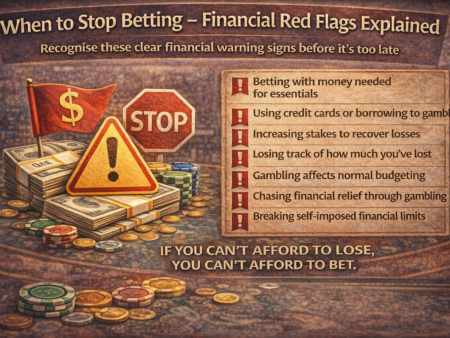
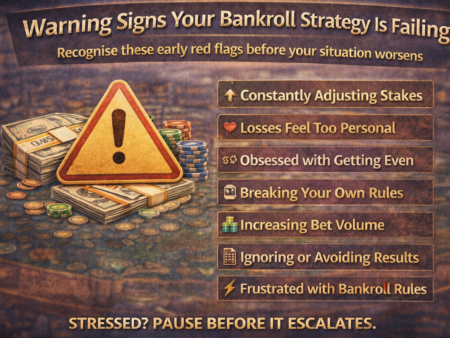
Warning Signs You’re Chasing Losses
You may be chasing losses if:
- You increase stakes after losing
- You bet more frequently than planned
- You feel urgency instead of calm
- You ignore limits you set earlier
- You justify risky bets emotionally
Recognising these signs early is critical.
How to Stop Chasing Losses
Effective solutions are structural, not emotional.
Practical steps:
- Use flat, percentage-based staking
- Set session loss limits before playing
- Stop playing when limits are reached
- Take breaks after losing sessions
- Treat losses as part of the budget
Most importantly: never try to fix losses with bigger bets.
Chasing Losses vs Responsible Gambling
Chasing losses is one of the clearest indicators of risky behaviour.
Responsible gambling principles exist to:
- Prevent emotional escalation
- Protect financial stability
- Encourage stopping, not recovering
Strong bankroll management naturally reduces the urge to chase.
Final Thoughts
Losses are unavoidable. Chasing them is optional.
Every bankroll collapse follows the same path:
- Loss
- Emotional reaction
- Increased risk
- Faster losses
Long-term control comes from accepting losses calmly and sticking to your plan.
Your bankroll doesn’t need revenge.
It needs discipline, limits, and patience.
- What Is Bankroll Management?
- How Much Should You Bet Per Wager?
- Common Bankroll Mistakes Sports Bettors Make in Canada
- Bankroll Management vs Responsible Gambling