One of the hardest things for poker players to accept is that good decisions do not guarantee short-term results. You can play well for weeks and still lose money. You can make mistakes and still win.
This isn’t bad luck.
It’s variance.
Understanding poker variance – and learning to live with it – is essential for bankroll management, emotional control, and long-term success.
What Is Variance in Poker?
Variance is the natural fluctuation between expected results and actual outcomes.
In poker, variance exists because:
- Cards are dealt randomly
- Opponents make unpredictable decisions
- Short-term samples are unreliable
Even if you are a winning player, variance ensures that results never follow a straight line.
Why Poker Has More Variance Than People Expect
Poker combines:
- Skill
- Probability
- Incomplete information
This creates a perfect environment for swings.
Key reasons variance is high:
- You don’t control which hands you get
- All-ins introduce large equity swings
- Tournament structures amplify risk
- One bad beat can erase hours of profit
Poker rewards correct decisions over time – not immediately.
Variance vs Skill – Why Results Lie in the Short Term
Many players confuse variance with poor play.
Reality:
- You can lose while playing perfectly
- You can win while making mistakes
Skill shows up over thousands of hands, not dozens.
Short-term results:
- Say almost nothing about skill
- Say a lot about variance
This is why emotional reactions to single sessions are dangerous.
Variance in Cash Games vs Tournaments
Cash Games
- Lower variance
- Smaller swings
- More predictable bankroll movement
You can reload, quit sessions, and control risk.
Tournaments
- Extremely high variance
- Long losing stretches
- Rare but large wins
Even strong tournament players can go months without a big score.
This is why tournaments require:
- Larger bankrolls
- Strong emotional discipline
Common Misunderstandings About Poker Variance
Many players believe:
- “I’m running bad” means something is wrong
- A downswing must be fixed quickly
- Winning sessions prove improvement
In reality:
- Downswings are unavoidable
- Chasing variance makes it worse
- Long-term graphs matter, not sessions
Variance is not a problem to solve – it’s a condition to manage.
How Variance Destroys Bankrolls
Variance alone doesn’t break bankrolls.
Poor reactions to variance do.
Typical reactions:
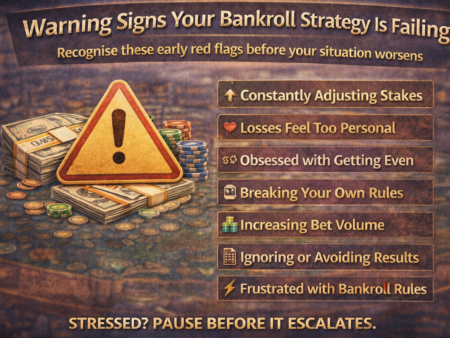
- Moving up in stakes to recover losses
- Increasing volume while tilted
- Ignoring bankroll rules
- Playing when emotionally drained
Variance tests discipline more than skill.
How Bankroll Management Protects You From Variance
Proper bankroll management exists for one reason:
To survive variance long enough for skill to matter.
A strong bankroll:
- Absorbs downswings
- Reduces emotional pressure
- Prevents forced decisions
This is why recommended buy-in numbers feel conservative – they are designed for bad runs, not average ones.
Mental Game: Accepting Variance Without Losing Control
Healthy mindset:
- Focus on decision quality
- Detach from short-term results
- Expect losing sessions
Helpful habits:
- Review hands, not balances
- Take breaks during downswings
- Track long-term data
Poker becomes much easier when you stop expecting fairness in the short term.
Variance vs Responsible Poker Play
Ignoring variance often leads to:
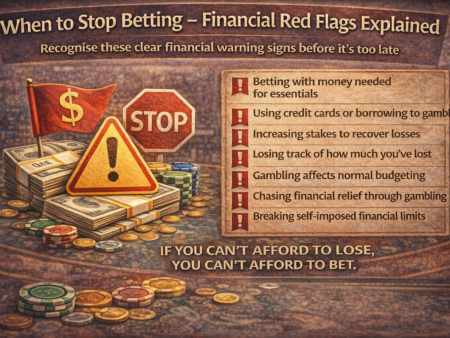
- Chasing losses
- Financial stress
- Emotional burnout
Understanding variance supports:
- Responsible bankroll use
- Better emotional control
- Sustainable poker play
Poker should never be used to fix money problems – variance makes that impossible.
Final Thoughts
Variance is not a flaw in poker.
It is what makes poker possible.
Without variance:
- Weak players wouldn’t win sometimes
- Strong players wouldn’t get paid
Swings are normal.
Downswings are expected.
Your job is not to eliminate variance – it’s to outlast it.
Poker rewards patience far more than confidence.
- How Many Buy-Ins Do You Really Need to Play Poker Safely?
- Bankroll Management for Poker Players – Cash Games vs Tournaments
- Why Chasing Losses Destroys Your Bankroll