E-wallets are often promoted as one of the fastest and most convenient ways to pay online. In online betting, they are especially popular among players who want quick transactions and a layer of separation between betting activity and their main bank account.
But convenience comes with trade-offs.
This guide explains how e-wallets work for online betting in Canada, what advantages they offer, and why control and responsibility still matter when using them.
What Are E-Wallets?
E-wallets are digital payment services that sit between your bank account and an online platform.
Instead of connecting directly to your bank or card, you:
- load funds into a digital wallet
- use the wallet to make deposits
- receive withdrawals back into the wallet
Common examples include digital wallets used for online payments, though availability varies by platform and province.
How E-Wallets Work for Online Betting
The typical process looks like this:
- You fund your e-wallet using a bank transfer or card
- You select the e-wallet as your payment method on the betting site
- Deposits are processed quickly, often instantly
- Withdrawals are sent back to the wallet after verification
Because the wallet acts as an intermediary, your banking details are not shared directly with the betting platform.
Why E-Wallets Are Popular With Canadian Players
E-wallets are widely used because they offer:
- fast deposits and withdrawals
- reduced exposure of banking details
- easy access across devices
- flexibility when managing funds
For players who value speed and convenience, e-wallets can be appealing.
The Control Factor: Where E-Wallets Can Be Risky
While e-wallets add convenience, they can also reduce financial awareness.
Potential issues include:
- holding a separate balance outside your bank
- easier repeat deposits
- less visible connection to real-world spending
- temptation to treat wallet funds as “already spent”
This can make it harder to maintain strict bankroll discipline.
E-Wallets and Responsible Gambling
From a responsible gambling perspective, e-wallets are a double-edged sword.
They can:
- help separate betting funds from daily finances
- limit exposure to bank balances
But they can also:
- encourage continuous play
- reduce the psychological impact of spending
- weaken natural stopping points
This makes personal limits and self-awareness especially important.
E-Wallets in Ontario’s Regulated Market
In Ontario, licensed operators must:
- use approved payment providers
- verify player identity
- ensure withdrawals go to verified accounts
E-wallets used on Ontario-regulated platforms must meet these standards, providing a baseline level of protection.
Withdrawals and Verification
While e-wallet withdrawals are often faster than cards, they still require:
- full account verification
- matching deposit and withdrawal methods
- compliance checks
Delays usually come from verification steps, not the wallet itself.
E-Wallets vs Bank-Based Payments
Compared to direct bank payments:
- e-wallets offer more privacy
- but less immediate spending visibility
Compared to credit cards:
- e-wallets avoid borrowing
- but may encourage higher frequency deposits
There is no perfect option — only trade-offs.
When E-Wallets May Be a Good Choice
E-wallets may suit players who:
- value speed and convenience
- want an extra layer between betting and banking
- actively use limits and tracking tools
Used thoughtfully, they can support controlled play.
When E-Wallets May Not Be Ideal
They may be less suitable if:
- you struggle with tracking spending
- you prefer full bank-level transparency
- convenience tends to override discipline
In those cases, bank-based methods may offer better control.
Final Thoughts
E-wallets offer undeniable convenience for online betting in Canada.
However, convenience should never replace control.
Understanding how e-wallets affect spending behaviour is essential for making informed, responsible choices. Used with clear limits and awareness, they can be a useful tool. Used without discipline, they can quietly undermine bankroll management.
Choosing a payment method is not just about speed — it’s about how well it supports your financial control.
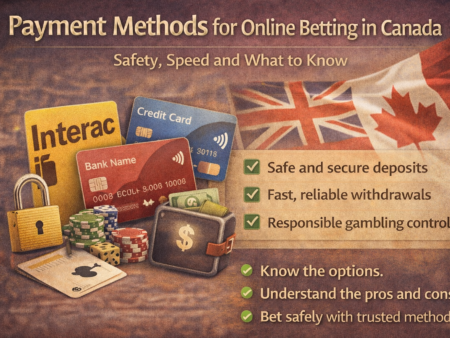
- Payment Methods for Online Betting in Canada
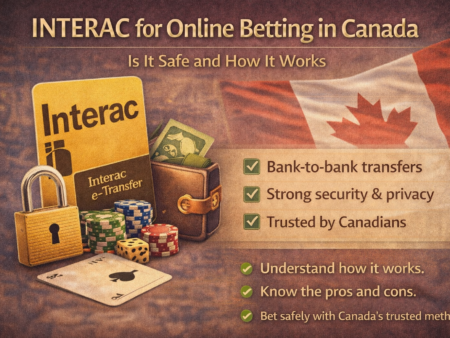
- INTERAC for Online Betting in Canada
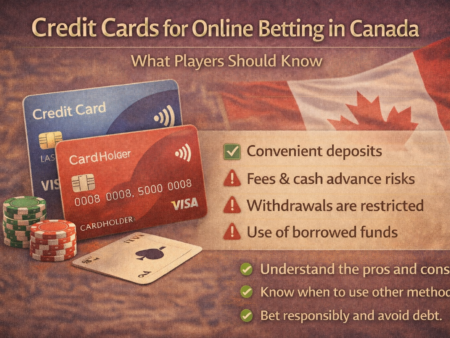
- Credit Cards for Online Betting in Canada
- Responsible Gambling – Player Protection and Limits