Credit cards are one of the most familiar payment tools for Canadians. That familiarity often leads players to assume they work seamlessly for online betting.
In reality, credit cards come with specific limitations, risks, and rules that every Canadian bettor should understand before using them.
This guide explains how credit cards work for online betting in Canada, when they are accepted, and what players should consider from a safety and responsibility perspective.
Are Credit Cards Allowed for Online Betting in Canada?
Yes, credit cards can be used for online betting in Canada, but acceptance depends on:
- the betting platform
- provincial regulation
- the card issuer and bank
Some platforms accept credit cards for deposits, while others restrict or block them entirely. Policies can also differ between provinces, especially within regulated markets like Ontario.
Why Credit Card Acceptance Is Inconsistent
Credit card transactions for betting are influenced by:
- bank-level gambling restrictions
- merchant category codes (MCCs)
- provincial regulatory requirements
As a result:
- one card may work on one platform but not another
- deposits may be declined without a clear reason
- policies can change without notice
This inconsistency is a common source of confusion for players.
Deposits With Credit Cards: What to Expect
When accepted, credit card deposits are usually:
- processed instantly
- easy to complete
- familiar to most users
However, players should be aware that:
- some banks treat betting deposits as cash advances
- additional fees may apply
- interest may begin immediately
These factors can significantly increase the real cost of betting.
Withdrawals: A Major Limitation
One of the biggest drawbacks of credit cards is withdrawals.
In many cases:
- withdrawals cannot be sent back to a credit card
- alternative methods are required for cashing out
- verification may take longer
Because of this, players often need a secondary payment method to receive winnings.
Credit Cards and Financial Risk
Credit cards introduce a different risk profile compared to bank-based payments.
Key concerns include:
- spending borrowed money
- reduced visibility of real-time balances
- delayed financial impact
This can make it harder to maintain clear bankroll control, especially for players who rely on strict limits.
Credit Cards and Responsible Gambling
From a responsible gambling perspective, credit cards require extra caution.
Potential issues:
- disconnect between betting and available funds
- temptation to bet beyond intended limits
- difficulty tracking true losses
For these reasons, many players prefer methods that use available funds only, rather than credit.
Credit Cards in Ontario’s Regulated Market
In Ontario, licensed operators must:
- follow strict payment and verification rules
- ensure player protection measures are in place
As a result:
- some Ontario platforms limit or restrict credit card use
- alternatives like bank-based payments are often encouraged
These measures aim to reduce financial harm, not inconvenience players.
When Credit Cards May Be Appropriate
Credit cards may be suitable if:
- deposits are small and controlled
- the card is paid off in full immediately
- the player understands all fees and limits
Even then, caution is essential.
When to Consider Other Payment Methods
Players may want to consider alternatives if they:
- value fast and simple withdrawals
- want clearer spending control
- prefer not to use borrowed funds
Bank-based payments and certain digital wallets often offer better transparency and control.
Final Thoughts
Credit cards remain a familiar option for online betting in Canada, but they are not always the safest or most practical choice.
Their convenience must be weighed against:
- fees
- withdrawal limitations
- increased financial risk
Understanding these trade-offs allows players to make informed decisions and choose payment methods that align with their financial comfort and responsibility goals.
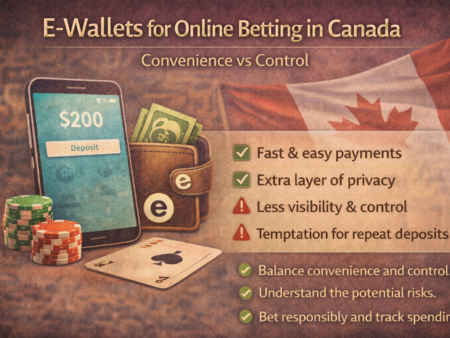
- Payment Methods for Online Betting in Canada
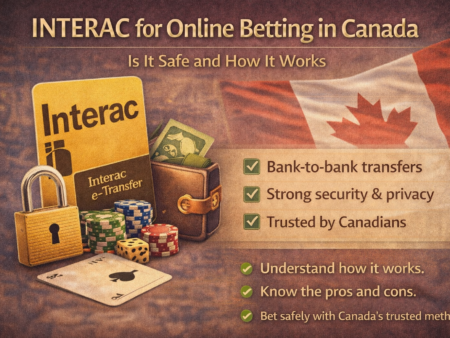
- INTERAC for Online Betting in Canada
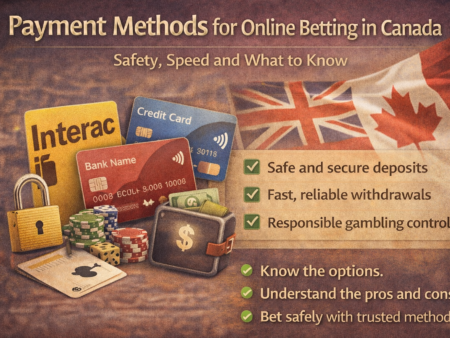
- E-Wallets for Online Betting in Canada
- Responsible Gambling – Player Protection and Limits